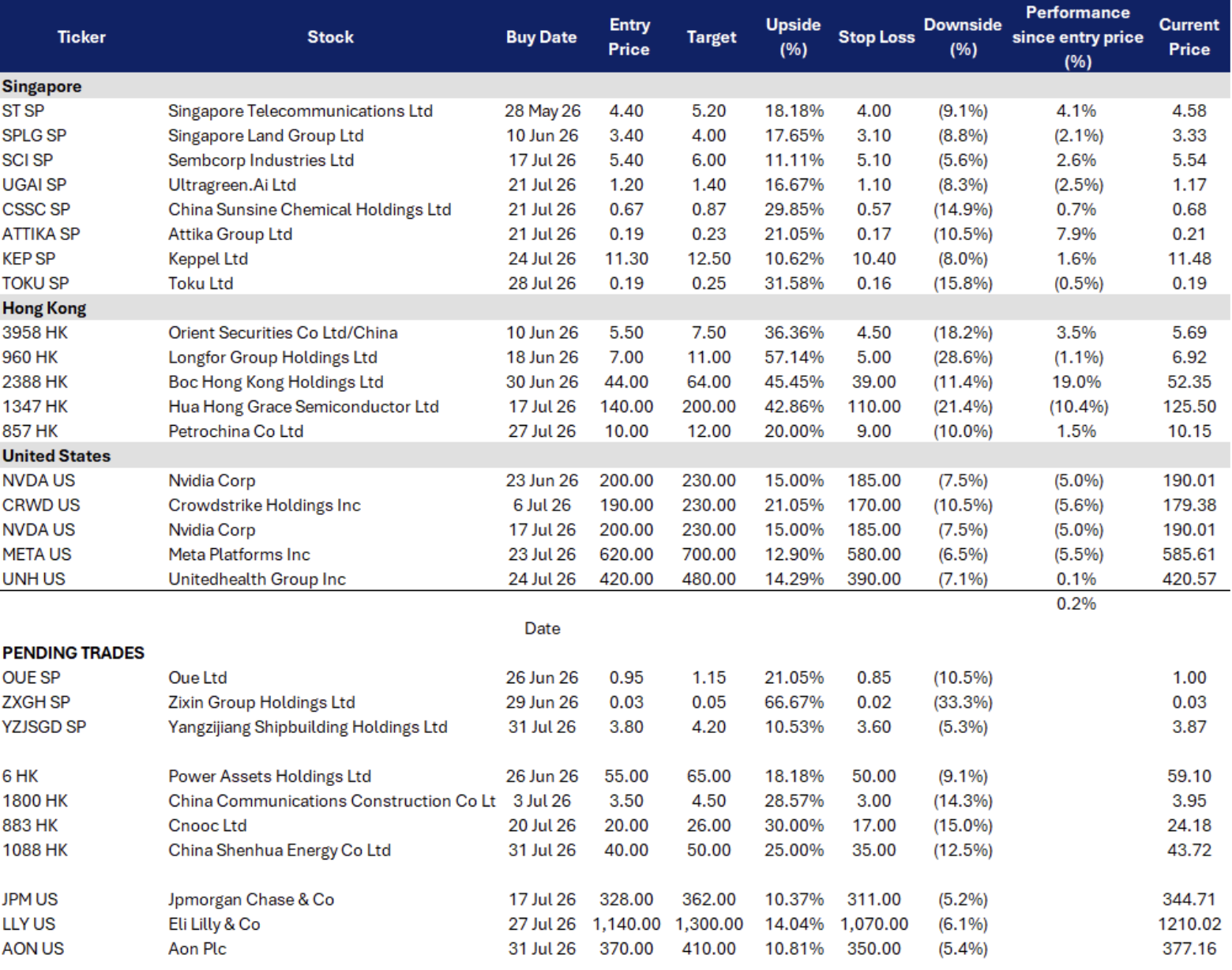

YZJSGD SP
Backlog locks in earnings, green-vessel mix protects margins, Hongyuan adds the next growth leg
KEY INSIGHTS #1
The shipbuilding cycle is moderating, but Yangzijiang has already locked in the profitable years.
Global newbuild ordering has slowed from the exceptional 2024 peak, with ship prices reportedly easing around 5%–10%. This is less damaging to Yangzijiang than the headline suggests because its yards are substantially committed through 2029 and the existing backlog was largely secured at stronger pricing. Earnings should therefore continue reflecting earlier high-margin contracts even as current order intake normalises. As of March 2026, the outstanding order book stood at US$22.3B across 252 vessels, with deliveries extending through 2030. Container vessels accounted for approximately US$16.4B of backlog, giving the group unusually strong multi-year revenue visibility.
KEY INSIGHTS #2
Green and higher-specification vessels support a structurally better margin mix.
Approximately 69% of the 1Q26 order-book value comprised clean-energy vessels, including LNG- and methanol-dual-fuel containerships, LPG carriers, very large ethane carriers and ammonia-ready vessels. These ships carry higher technical requirements and generally better contract values than conventional bulkers, supporting both yard utilisation and margin resilience. The FY2025 numbers demonstrate this operating leverage. Gross margin expanded 5.5 percentage points to 34.2%, driven by stronger newbuild pricing, lower raw-material costs and higher contributions from associated yards. Shipbuilding margin reached a record level, meaning the earnings debate is now about how long margins remain elevated rather than whether profitability can recover.

TOKU SP
Enterprise CX expansion, sovereign voice AI, and post-IPO valuation reset
KEY INSIGHTS #1
Enterprise CX spending is shifting toward integrated AI platforms, playing to Toku’s full-stack model.
Enterprises increasingly want AI transcription, analytics and virtual agents integrated directly into existing communication infrastructure rather than deployed as standalone tools. Toku controls more of the stack than a conventional software reseller, combining carrier connectivity, cloud communications, customer-engagement applications and professional services. This is particularly relevant across fragmented Asia-Pacific markets, where companies must manage different telecom regulations, languages, accents and data-residency requirements. Toku operates across more than 30 countries and maintains over 50 carrier relationships, giving it a practical implementation advantage over global platforms that rely more heavily on third-party localisation.
KEY INSIGHTS #2
Kawa and the Makimoto roadmap create higher-margin AI optionality.
Toku launched Kawa, the first public component of its Makimoto sovereign conversational-AI infrastructure, in July 2026. The initial offering provides a managed transcription pipeline and an open orchestration layer, with real-time transcription APIs and additional open-source components planned later in 2026. The architecture is designed around deployment control, regional language requirements and data sovereignty, which could appeal to governments and regulated enterprises unwilling to rely entirely on overseas AI infrastructure.

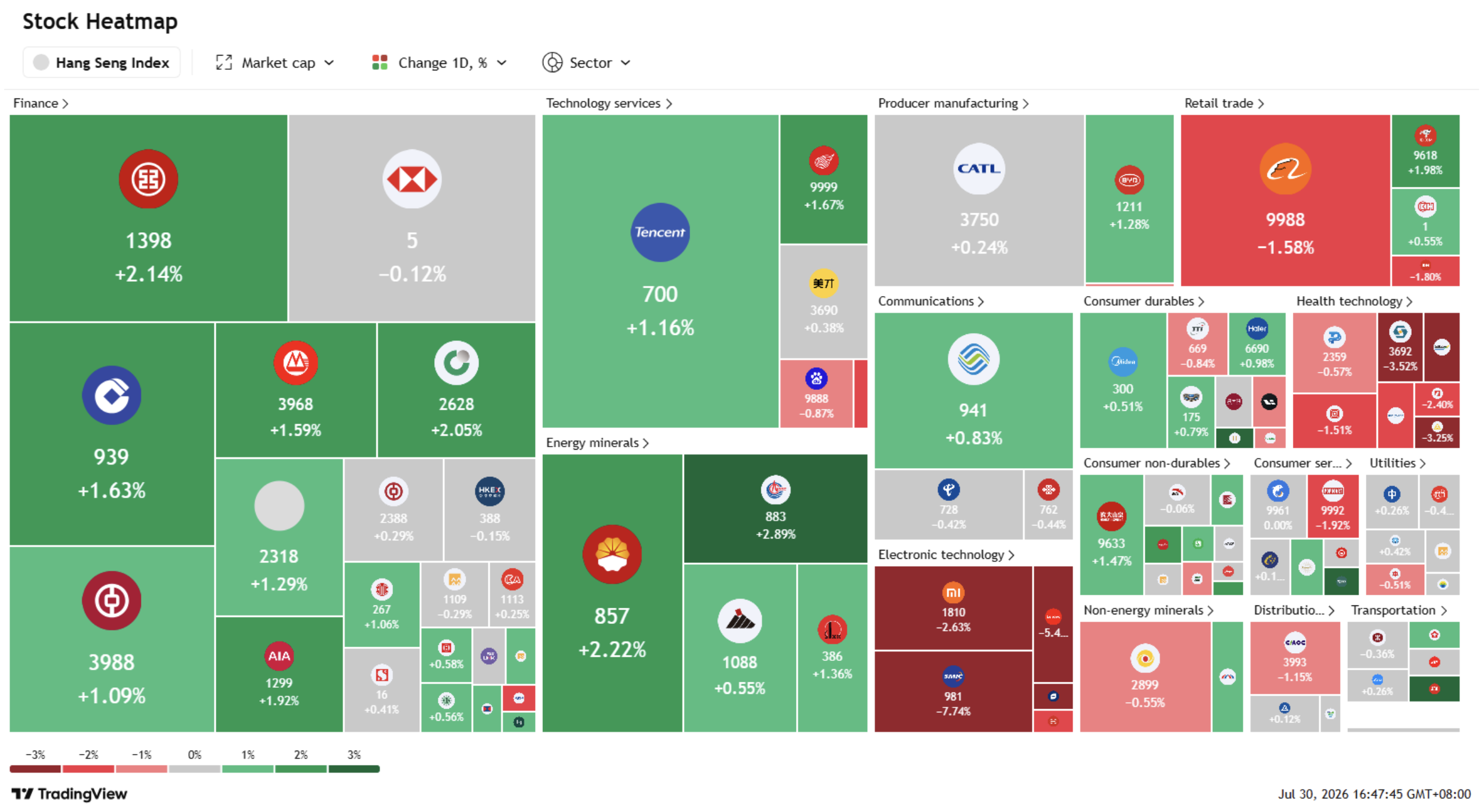
1088 HK
Integrated coal champion, transport moat, and 65% payout commitment
KEY INSIGHTS #1
Transport network is becoming the earnings differentiator, not coal prices.
The market still values Shenhua primarily as a coal producer, but transport is becoming increasingly important. For 1H2026, management guided profit attributable to shareholders at RMB28.4–31.9B, with the principal positive driver being higher profits from coal chemicals and transportation, supported by stronger utilisation of its proprietary railway, port and shipping network. This integrated model allows Shenhua to monetise logistics even when coal prices soften. This makes Shenhua structurally different from Chinese coal peers that rely almost entirely on mining margins.
KEY INSIGHTS #2
Coal prices matter less than investors think.
Coal prices have moderated from peak levels, but Shenhua continues generating substantial free cash flow because of: – low mining costs, – integrated logistics, – power generation, – coal chemical operations. Unlike many miners, Shenhua benefits from internal coal consumption through its power business and captures transport margins across the value chain.

0857 HK
Gas earnings take the lead, refining margins recover, and dividend carry remains intact
KEY INSIGHTS #1
Oil-price volatility is being offset by a stronger natural-gas earnings engine.
PetroChina’s 2025 average realised crude-oil price fell 14.2%, yet attributable profit declined only 4.5%. The principal stabiliser was natural gas: production increased 4.5%, while gas-segment operating profit rose 12.6% to RMB60.8B. For 2026, management targets natural-gas output of 5,470.5 bcf, up roughly 2% from 2025. This makes PetroChina less dependent on a sustained oil-price rally than CNOOC. The integrated gas portfolio provides a more defensive earnings profile as Chinese power, industrial and heating demand gradually shift toward gas.
KEY INSIGHTS #2
Dividend carry supports the stock, but the rerating is no longer early.
PetroChina proposed a RMB0.25 per-share final dividend for FY2025, taking the total final distribution to approximately RMB45.8B. The H-share currently offers a trailing dividend yield of around 5%, providing meaningful carry while investors wait for continued earnings delivery.

AON US
Asset-light AI infrastructure risk adviser with scalable data-centre exposure
KEY INSIGHTS #1
Expanded data-centre platform supports fee-based growth.
Aon has expanded its Data Centre Lifecycle Insurance Programme from US$3.5bn to US$5bn, covering projects from construction through long-term operations, including property damage, business interruption, cyber and project-cargo risks. Its brokerage and consulting model allows Aon to earn commissions and advisory fees while transferring most underwriting risk to insurers and reinsurers, providing relatively capital-light exposure to the AI infrastructure buildout.
KEY INSIGHTS #2
Larger and more complex data centres increase demand for risk placement.
Annual data-centre investment could exceed US$300bn by 2027, while rising coverage demand could generate around US$10bn of new insurance premiums in 2026. With some hyperscale projects carrying total insurable values of US$10bn-US$30bn, capacity constraints are encouraging multi-insurer and reinsurance structures, increasing demand for Aon’s risk modelling, programme design and placement capabilities.

LLY US
Obesity-treatment leader with expanding pipeline optionality
KEY INSIGHTS #1
Broader coverage is expanding the addressable GLP-1 market.
GLP-1 adoption is becoming a major driver of U.S. prescription-drug spending, with around one in eight Americans reportedly using a GLP-1 medicine. Medicare’s new programme offers eligible beneficiaries certain obesity treatments for a US$50 monthly copay, potentially expanding adoption among older patients, although broader public reimbursement will increase pricing pressure.
KEY INSIGHTS #2
Obesity leadership and pipeline diversification extend Lilly’s growth runway.
Lilly’s core franchise continues to scale rapidly, with 1Q26 Mounjaro revenue rising 125% YoY to US$8.7bn and Zepbound revenue increasing 80% to US$4.2bn, while Foundayo and retatrutide broaden its oral and injectable obesity portfolio. Its proposed acquisition of AtaiBeckley for up to US$3.8bn also adds longer-term neuroscience optionality through BPL-003, a Phase III treatment candidate for treatment-resistant depression, although obesity and diabetes remain the main investment drivers.
STOCKS
–
STOCKS
Semiconductor Manufacturing International (981 HK) at HK$67
STOCKS
Goldman Sachs Group Inc (GS US) at US$1,000
Semiconductor Manufacturing International (981 HK) at HK$62