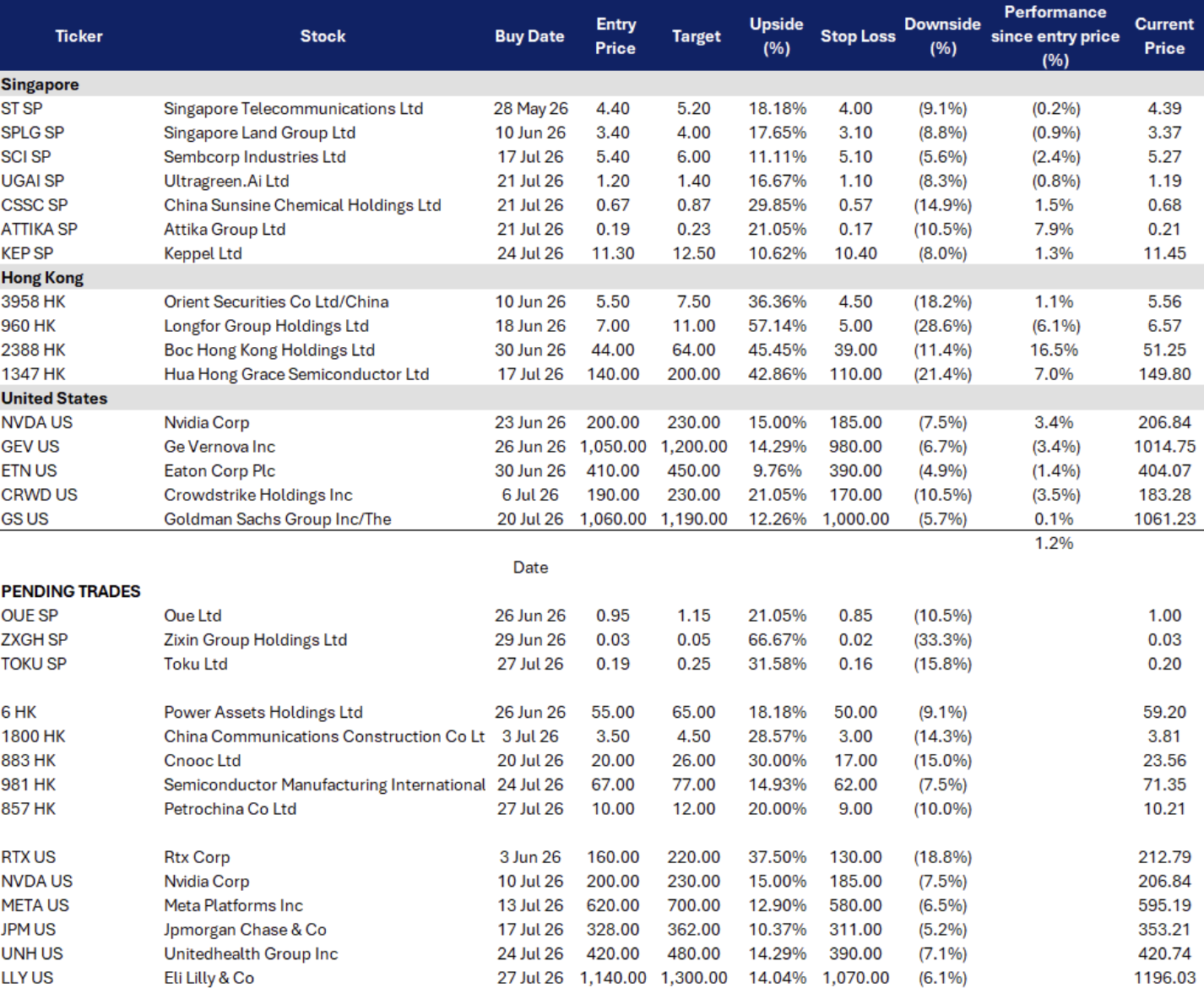

TOKU SP
Enterprise CX expansion, sovereign voice AI, and post-IPO valuation reset
KEY INSIGHTS #1
Enterprise CX spending is shifting toward integrated AI platforms, playing to Toku’s full-stack model.
Enterprises increasingly want AI transcription, analytics and virtual agents integrated directly into existing communication infrastructure rather than deployed as standalone tools. Toku controls more of the stack than a conventional software reseller, combining carrier connectivity, cloud communications, customer-engagement applications and professional services. This is particularly relevant across fragmented Asia-Pacific markets, where companies must manage different telecom regulations, languages, accents and data-residency requirements. Toku operates across more than 30 countries and maintains over 50 carrier relationships, giving it a practical implementation advantage over global platforms that rely more heavily on third-party localisation.
KEY INSIGHTS #2
Kawa and the Makimoto roadmap create higher-margin AI optionality.
Toku launched Kawa, the first public component of its Makimoto sovereign conversational-AI infrastructure, in July 2026. The initial offering provides a managed transcription pipeline and an open orchestration layer, with real-time transcription APIs and additional open-source components planned later in 2026. The architecture is designed around deployment control, regional language requirements and data sovereignty, which could appeal to governments and regulated enterprises unwilling to rely entirely on overseas AI infrastructure.

KEP SP
Bifrost locks in digital recurring income, fund-management flywheel accelerates, but valuation requires delivery
KEY INSIGHTS #1
Bifrost turns connectivity investment into contracted, long-duration income.
Keppel has secured customers for all five fibre pairs on the Bifrost subsea cable system. The contracts have an estimated aggregate value of US$1.3B, or about S$1.7B, including capacity commitments and cable operations and maintenance income over approximately 25 years. This is strategically important because it converts a capital-intensive digital-infrastructure investment into visible contracted cash flow. It also demonstrates Keppel’s model of developing infrastructure, commercialising capacity and subsequently earning operating and management income from the asset.
KEY INSIGHTS #2
The asset-management flywheel is becoming a measurable earnings driver.
Keppel ended FY2025 with S$95B of funds under management, up from S$88B, and remains on track to reach at least S$100B by end-2026. Asset-management net profit rose 15% YoY to S$189M, while asset-management fees increased to S$453M. Momentum continued in 1Q26. Asset-management fees increased 13% YoY to S$108M, and Keppel said it was finalising another approximately S$2B of limited-partner commitments. The key valuation shift is from one-off asset-value recognition toward recurring fee-related earnings. As Keppel raises external capital, it can invest alongside limited partners, earn management and performance fees, operate the assets and eventually recycle them into its listed REITs or private funds.
0857 HK
Gas earnings take the lead, refining margins recover, and dividend carry remains intact
KEY INSIGHTS #1
Oil-price volatility is being offset by a stronger natural-gas earnings engine.
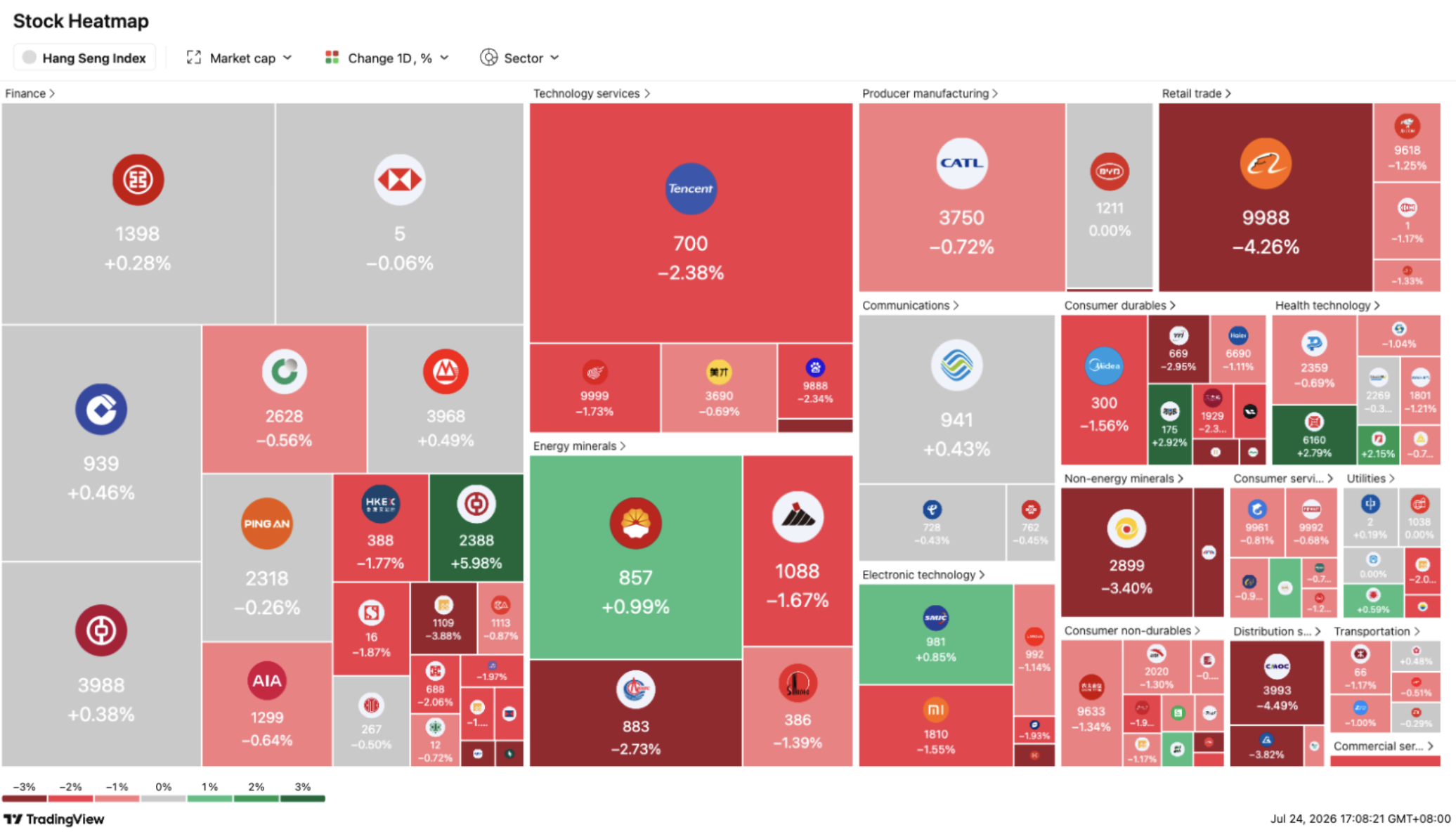
PetroChina’s 2025 average realised crude-oil price fell 14.2%, yet attributable profit declined only 4.5%. The principal stabiliser was natural gas: production increased 4.5%, while gas-segment operating profit rose 12.6% to RMB60.8B. For 2026, management targets natural-gas output of 5,470.5 bcf, up roughly 2% from 2025. This makes PetroChina less dependent on a sustained oil-price rally than CNOOC. The integrated gas portfolio provides a more defensive earnings profile as Chinese power, industrial and heating demand gradually shift toward gas.
KEY INSIGHTS #2
Dividend carry supports the stock, but the rerating is no longer early.
PetroChina proposed a RMB0.25 per-share final dividend for FY2025, taking the total final distribution to approximately RMB45.8B. The H-share currently offers a trailing dividend yield of around 5%, providing meaningful carry while investors wait for continued earnings delivery.

0981 HK
AI demand meets mature-node pricing power, but valuation already reflects much of the recovery
KEY INSIGHTS #1
AI and power-management demand are driving a stronger-than-expected pricing cycle.
Unlike previous semiconductor recoveries that relied mainly on higher utilisation, SMIC is now benefiting from higher average selling prices. In 1Q26, revenue reached US$2.51B, up 11.5% YoY, while gross margin improved to 20.1% despite slightly lower wafer shipments, as pricing and product mix improved. Management guided 2Q26 revenue to increase 14–16% QoQ with gross margin expanding to 20–22%, indicating that pricing momentum remains intact.
KEY INSIGHTS #2
Domestic semiconductor substitution remains the structural growth driver.
SMIC remains the largest beneficiary of China’s semiconductor self-sufficiency strategy. Restrictions on advanced semiconductor imports continue to redirect demand toward domestic foundries across automotive MCUs, power management ICs, industrial chips and AI-supporting devices. While SMIC is not competing directly with TSMC at leading-edge nodes, its mature-node portfolio remains strategically important and enjoys strong domestic demand. Recent management commentary suggests demand for AI-supporting power-management products continues to strengthen.

LLY US
Obesity-treatment leader with expanding pipeline optionality
KEY INSIGHTS #1
Broader coverage is expanding the addressable GLP-1 market.
GLP-1 adoption is becoming a major driver of U.S. prescription-drug spending, with around one in eight Americans reportedly using a GLP-1 medicine. Medicare’s new programme offers eligible beneficiaries certain obesity treatments for a US$50 monthly copay, potentially expanding adoption among older patients, although broader public reimbursement will increase pricing pressure.
KEY INSIGHTS #2
Obesity leadership and pipeline diversification extend Lilly’s growth runway.
Lilly’s core franchise continues to scale rapidly, with 1Q26 Mounjaro revenue rising 125% YoY to US$8.7bn and Zepbound revenue increasing 80% to US$4.2bn, while Foundayo and retatrutide broaden its oral and injectable obesity portfolio. Its proposed acquisition of AtaiBeckley for up to US$3.8bn also adds longer-term neuroscience optionality through BPL-003, a Phase III treatment candidate for treatment-resistant depression, although obesity and diabetes remain the main investment drivers.

UNH US
Integrated healthcare leader positioned for a profitability recovery
KEY INSIGHTS #1
Ageing demographics support demand but favour scaled cost managers.
U.S. healthcare spending rose 7.3% to US$5.7tn in 2025, while Medicare spending is projected to grow around 7.7% annually through 2034 as the population ages. Higher utilisation also raises medical costs, favouring scaled operators such as UnitedHealth that can combine insurance, claims data and healthcare delivery to manage pricing and patient costs more effectively.
KEY INSIGHTS #2
UnitedHealthcare and Optum provide multiple recovery levers.
UnitedHealth’s integrated model is showing early improvement, with 2Q26 operating earnings rising to US$8.0bn from US$5.2bn and its medical care ratio improving to 86.7% from 89.4%. Better pricing discipline and medical-cost management, together with Optum’s healthcare delivery, pharmacy and data capabilities, should support further margin recovery despite greater regulatory scrutiny over government-funded healthcare programmes.
STOCKS
–
STOCKS
STOCKS
–