OLAM SP
Occupancy resilience, FX headwind fading, and debt cost stability into FY27
KEY INSIGHTS #1
Logistics demand is steady, and MLT’s portfolio remains defensive.
MLT continues to position as a diversified, multi-market logistics landlord. In this tape, the market pays for “high occupancy + long leases + diversified tenant base,” rather than chasing cyclicals. The manager’s FY25/26 communications emphasise portfolio stability, which is the key reason MLT trades as a defensive yield compounder rather than a high-beta growth REIT.
KEY INSIGHTS #2
Near-term DPU slope improves if FX stabilises and there are no new equity enlargements.
3Q FY25/26 DPU decline was driven partly by an enlarged unit base and FX translation, not just property-level weakness. If FX headwinds stabilise and there’s no major equity raise, the next leg of total return is simply “carry plus a mild multiple unwind” rather than needing a strong rental-growth cycle.
DBS SP
Wealth engine offsets rate drag, capital returns stay visible, MAS stance keeps macro constructive
KEY INSIGHTS #1
MAS stance supports a steady bank operating backdrop.
MAS kept the S$NEER policy band unchanged on 29 Jan 2026 and raised its 2026 core and headline inflation forecasts to 1.0% to 2.0%, signalling a firm but manageable macro backdrop. For DBS, this matters because the key debate is no longer “rates up equals NIM expansion”, but whether NIM can stabilise while wealth and treasury income carry group revenue. The January policy stance gives banks a more predictable domestic operating environment, even as global rates remain volatile.
KEY INSIGHTS #2
Capital return and earnings resilience keep the premium multiple defensible.
DBS has been trading near its 52-week high because the market is paying for resilience, not just growth. Q3 2025 already showed the same pattern: NIM compressed to 1.96% from 2.11% a year earlier, but total income still reached a record S$5.93B on wealth and deposit growth, and the bank raised quarterly DPS to 75 cents. The 1Q26 beat reinforces that this is not a one-quarter story.
1177 HK
Innovation sales scaling, global BD validation, and pipeline density
KEY INSIGHTS #1
Innovation mix is now the core rerating engine.
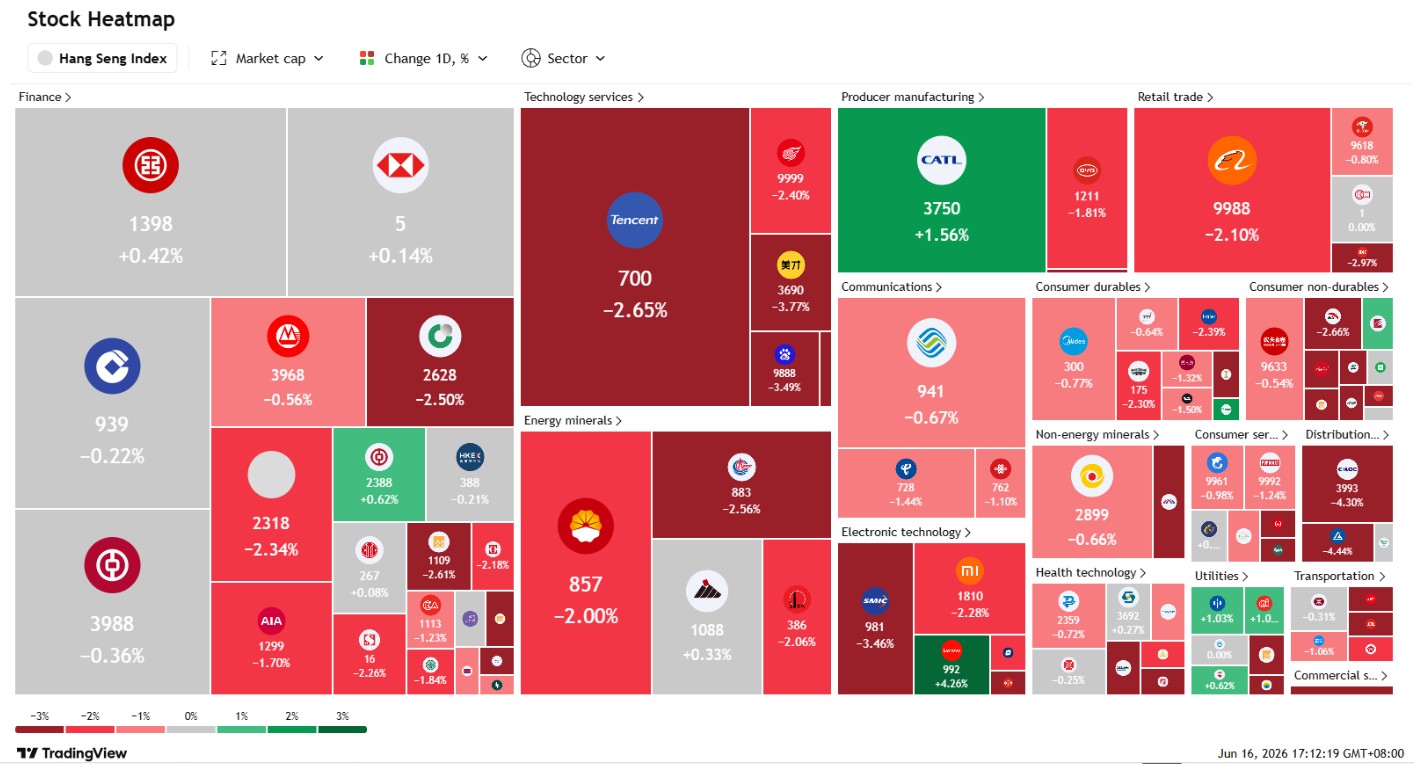
Sino Biopharm’s innovative product revenue reached RMB15.22B in 2025, up 26.2% YoY, and accounted for close to half of group revenue based on reported 2025 revenue of RMB31.83B. This matters because China pharma names rerate when revenue quality shifts from mature generics into innovative drugs with better pricing power, longer product cycles, and stronger BD optionality.
KEY INSIGHTS #2
Global pharma validation is becoming a repeatable catalyst.
The Sanofi rovadicitinib licensing deal is worth up to US$1.53B, including US$135M upfront and up to US$1.4B in milestones, giving worldwide rights to a China-approved blood-cancer drug. Separately, GSK partnered with Sino Biopharm’s CTTQ to supply bepirovirsen in mainland China, with China regulatory approval expected in 2027 and GSK expecting peak annual sales above £2B globally. These deals validate Sino’s R&D and commercial platform, and should lift market confidence in future out-licensing and in-licensing economics.
0293 HK
Capacity growth is back, cargo stays resilient, but fuel is the swing risk
KEY INSIGHTS #1
Capacity upcycle is re-starting, and HKIA runway expansion supports it.
Cathay is leaning into growth again. Management has said the airline is planning more aircraft orders across widebody, narrowbody and freighters and is targeting ~10% capacity growth in 2026, explicitly citing the expanded runway capacity at Hong Kong International Airport. The macro read-through is that the “recovery” phase is transitioning into a “growth” phase.
KEY INSIGHTS #2
Cargo franchise is still a structural advantage.
The 2025 annual results were supported by resilient cargo demand alongside rising passenger capacity. Cathay’s cargo positioning at HKIA remains a differentiator when global supply chains are tight or e-commerce lanes remain active. Even if passenger yields normalise, cargo can keep smoothing group earnings quality.
NVDA US
Core AI infrastructure platform powering the AI factory buildout
KEY INSIGHTS #1
NVIDIA is expanding from GPUs into full AI factory systems.
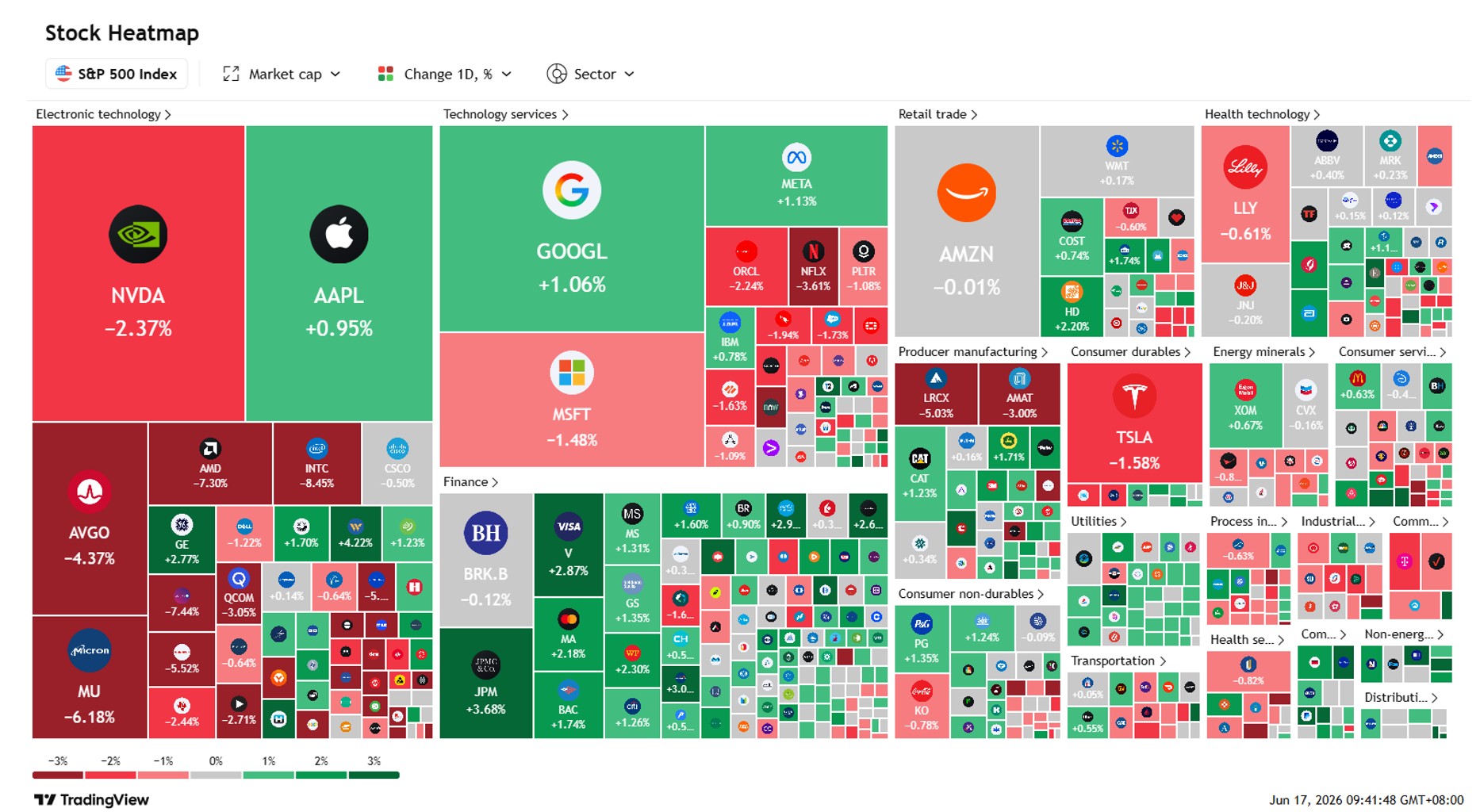
NVIDIA remains the key beneficiary of the AI infrastructure cycle because its value proposition now extends beyond GPUs into full-stack AI factory systems, including accelerated compute, networking, software, memory partnerships and data centre reference architectures. Recent partnerships with NAVER and SK Telecom to build gigawatt-scale AI factories using NVIDIA’s DSX platform, together with its multi-year partnership with SK hynix for next-generation memory aligned with the Vera Rubin roadmap, reinforce NVIDIA’s role as the core platform provider for the next phase of AI infrastructure.
KEY INSIGHTS #2
AI data centre demand remains larger than current supply.
AI infrastructure demand continues to outpace available data centre capacity, power and memory supply. Newmark estimates that an aggressive AI adoption scenario could require an additional 250GW of data centre capacity, while U.S. hyperscalers are expected to spend around US$700bn in 2026 to meet AI infrastructure commitments. This supports continued demand for NVIDIA’s GPUs, networking, memory ecosystem and AI factory architecture, especially as AI moves from training to inference, agents and physical AI.
META US
AI monetisation story supported by resilient ads and infrastructure expansion
KEY INSIGHTS #1
AI is improving ad monetisation while Meta explores new revenue streams.
Meta’s core investment case remains its resilient advertising business, where AI improves recommendation systems, ad targeting, engagement and campaign efficiency across Facebook, Instagram and WhatsApp. At the same time, Meta is beginning to diversify beyond advertising through paid subscriptions for its core apps and AI services, helping create additional monetisation channels as it spends aggressively on AI infrastructure. This matters because Meta’s AI capex is not purely speculative, it is tied to improving its existing high-margin ad platform while building new AI products.

KEY INSIGHTS #2
Meta is aggressively securing AI infrastructure capacity.
The broader industry driver is the race among hyperscalers to secure compute, data centre capacity and clean energy before AI demand exceeds supply. Meta recently agreed to lease a 168MW AI-ready data centre from Reliance in India, with an option to scale, and separately partnered with Indian clean energy providers for nearly 1GW of renewable energy. This supports Meta’s long-term AI infrastructure buildout and strengthens its ability to serve one of its fastest-growing digital markets, while reinforcing that AI capex remains a key strategic priority.
STOCKS
–
STOCKS
–
STOCKS
–